
What caused the FTX collapse
Wondering why FTX collapsed? Discover the reasons behind FTX’s demise and gain insights into the factors that led to this crisis.
What caused the FTX collapse
In the world of crypto, the collapse of FTX stands as a stark reminder of the inherent risks in the digital industry. Once a towering figure in the crypto landscape, FTX's rise and downfall serve as a cautionary tale, exposing the signs of financial red flags.
If you’re curious about how one of the top exchanges in the world saw its demise, here’s a guide on everything you need to know about the fall of FTX:
FTX and its rise in the crypto market
Before the FTX crypto collapse, the platform was known to be one of the most popular crypto exchanges worldwide. It was founded in 2019 by Sam Bankman-Fried and Gary Wang.
FTX quickly gained a reputation for its innovative products, such as its leveraged tokens and derivatives, and its aggressive marketing campaigns. The exchange also attracted several high-profile investors, including Temasek and SoftBank.
In 2021, FTX's valuation soared, making it one of the most valuable privately held companies. The exchange also became a major player in the crypto space, sponsoring Formula One teams and acquiring other crypto companies.
However, FTX's rapid growth came at a cost. The exchange was criticised for its opaque financial practices and its close ties to Alameda Research, a trading firm owned by Bankman-Fried.
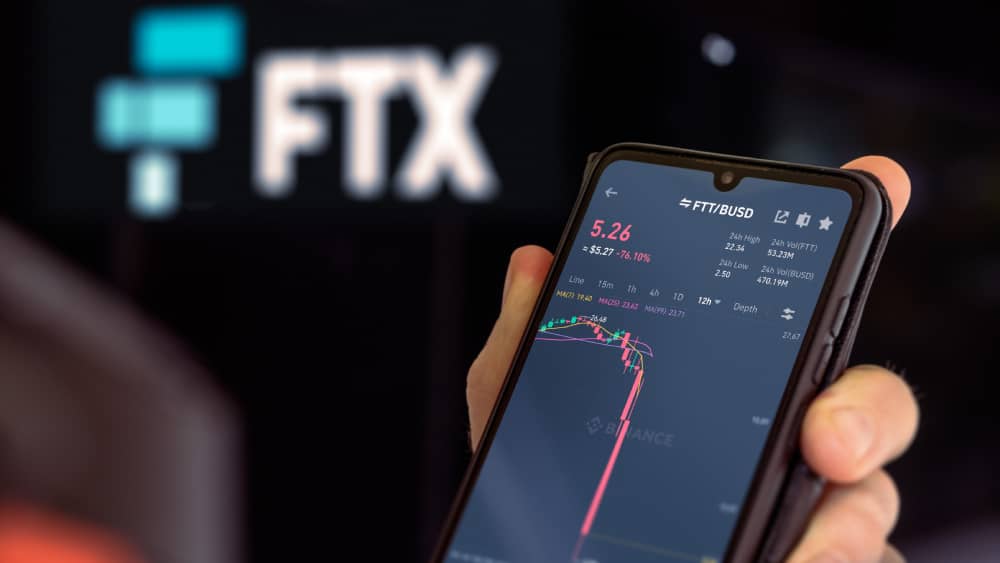
In early November 2022, concerns about FTX's financial health led to a surge in customer withdrawals. The exchange was unable to meet the demand for liquidity and was then forced to halt withdrawals, leading to the crypto exchange collapse.
Play slots hassle-free using USDT at Gamdom
Why did FTX file for bankruptcy?
FTX crypto crashed in early November 2022 after CoinDesk discovered that Alameda Research, with which FTX was linked, had based most of its value on speculative crypto tokens. The platform lost billions and was valued at less than $1 trillion as a result of a surge in consumer withdrawals.
The US government filed civil and criminal charges against Bankman-Fried and other top executives in December 2022 for embezzling more than $8 billion from customers' deposits. This set FTX up for insolvency and created inflated financial statements that relied on niche token holdings to hide the shortfall.
Bet on sports with USDT at Gamdom
Factors that led to the collapse
FTX's failure and demise was a complex event with various contributing factors. Here are some of the key factors that led to the company's downfall:
Risky trading strategies
FTX's sister company, Alameda Research, engaged in highly risky trading strategies, including making large bets on illiquid and volatile cryptocurrency tokens. These risky bets exposed Alameda to significant losses when the crypto market began to decline in 2022.
Opaque financial practices
The company had a history of opaque financial practices, raising concerns about its true financial health. The exchange's close ties to Alameda Research further fueled these concerns.
Mismanagement and lack of transparency
The platform was accused of mismanagement and lack of transparency regarding its financial operations. The company's financial statements were not audited, and there was little public disclosure about the company's finances.
Close relationship between FTX and Alameda
FTX and Alameda were closely intertwined, with Alameda acting as the main market maker for the platform’s FTT token. This close relationship allowed Alameda to borrow large amounts of money from FTX, which further worsened the company's financial problems when Alameda suffered losses.
Customer withdrawals and liquidity crisis
As concerns about FTX's financial health grew, customers began to withdraw their funds from the exchange. This surge in withdrawals led to a liquidity crisis, as FTX was unable to meet the demand for withdrawals.
Failure to secure a rescue deal
FTX attempted to secure a rescue deal from rival exchange Binance. However, the deal fell through due to concerns about FTX's financial health and regulatory scrutiny. This worsened FTX’s image among investors.
Regulatory investigations
The exchange faced regulatory investigations from multiple jurisdictions, including the United States and the Bahamas. These investigations raised further concerns about the company's practices and contributed to its downfall.
Lack of corporate governance
The lack of strong corporate governance at FTX was another factor that contributed to its collapse. The company's board of directors was not independent, and there were few controls in place to prevent mismanagement and fraud.
Failure to heed red flags
Many red flags emerged in the months leading up to FTX's collapse, including reports of questionable financial practices and regulatory scrutiny. However, the exchange failed to adequately address these red flags, ultimately leading to its demise.
Lack of risk management
FTX's risk management practices were inadequate. This led to excessive risk exposure and contributed to the company’s liquidity crisis.
Test your luck with live games at Gamdom

How did the FTX collapse affect crypto?
As one of the biggest crypto companies in the world, the collapse of the FTX exchange brought a wide range of impact on the crypto market. Here are some of the different ways in which the FTX collapse affected the crypto industry:
Eroded investor confidence
The sudden collapse of FTX, which was once one of the most respected crypto exchanges, severely shook investor confidence in the crypto industry. This led to a significant decrease in trading volume and a drop in the prices of many coins.
Increased regulatory scrutiny
FTX’s collapse also raised concerns about the lack of regulation in the crypto industry. This led to increased scrutiny from regulators around the world, who are now considering stricter rules for exchanges and other crypto businesses.
Accelerated the adoption of decentralised exchanges (DEXs)
The downfall of the exchange highlighted the risks of centralised exchanges, and it led some investors to shift their funds to decentralised exchanges (DEXs). DEXs are peer-to-peer exchanges that do not require central authorities, which makes them less vulnerable to fraud and mismanagement.
Promoted the development of new security measures
FTX’s collapse also prompted the development of new security measures for crypto exchanges. These measures include stricter know-your-customer (KYC) and anti-money laundering (AML) procedures, as well as the use of cold storage for storing customer funds.
Lessons learned from the FTX collapse
The demise of FTX sent shockwaves through the crypto industry and beyond. This event served as a stark reminder of the risks that are brought by unregulated financial markets and the importance of sound corporate governance practices.
Despite the negative implications, the FTX collapse also presented valuable lessons that can be learned and applied to prevent similar occurrences in the future. Some of the crucial lessons brought by the FTX downfall include:
Need for stronger regulation
The FTX collapse underscored the urgent need for stronger regulation in the crypto sector. The lack of oversight allowed FTX to operate without proper safeguards, leading to risky trading practices, opaque financial reporting, and ultimately, its demise.
Having strong regulatory frameworks helps protect investors and promote market integrity. This also ensures that crypto businesses adhere to ethical standards.
Importance of sound corporate governance
FTX's lack of robust corporate governance practices was a major contributing factor to its downfall. The absence of independent board members, inadequate oversight of management, and insufficient financial transparency allowed for questionable decisions and mismanagement to go unchecked.
With strong corporate governance practices including independent directors, regular audits, and transparent financial reporting, companies can prevent corporate failures. This also allows crypto exchanges to protect investor interests boosting trust within partnerships.
Transparency and risk management
The demise of FTX highlighted the importance of transparency and sound risk management in the crypto industry. FTX's opaque financial reporting and risky trading practices raised red flags among investors and regulators, ultimately leading to its collapse.
To avoid experiencing the same fate as FTX, crypto businesses must adopt transparent financial reporting practices. They should also implement strong risk management strategies to maintain investor confidence and mitigate financial risks.
Investor education and due diligence
FTX’s collapse serves as a reminder for investors to exercise caution and conduct thorough due diligence before investing in any crypto project or platform. Investors should carefully evaluate the reputation of the company, financial health, and its adherence to regulatory requirements. Diversifying investments across different crypto assets and platforms can also help mitigate risks.
The role of DEXs
In the wake of the FTX collapse, decentralised exchanges (DEXs) gained traction as an alternative to centralised exchanges. DEXs offer greater control over funds and reduced reliance on third parties.
Using DEXs helps mitigate the risks that come with centralised exchanges. However, DEXs also present their own set of challenges, such as limited liquidity and the potential for fraud.
FAQs about FTX’s collapse
Learn more about FTX’s collapse with these frequently asked questions:
Why did FTX collapse?
Several factors contributed to FTX's collapse, including mismanagement of funds, lack of liquidity, and close relationships with Alameda Research.
What impact did FTX's collapse have on the crypto market?
FTX's collapse had a significant impact on the crypto market, causing the value of many cryptocurrencies to plummet.
What are the implications of FTX collapse or the future of crypto?
FTX's collapse is a setback for the crypto industry, but it does not necessarily mean that crypto is doomed. However, the collapse of FTX became a reminder that the crypto industry is still relatively young and investing in it comes with various risks.
The FTX crypto collapse should not be seen as a condemnation of the crypto industry but rather as a learning opportunity to strengthen its foundations. By addressing the regulatory gaps, and implementing sound corporate governance practices, the crypto industry can move forward with greater resilience and pave the way for a more sustainable future.