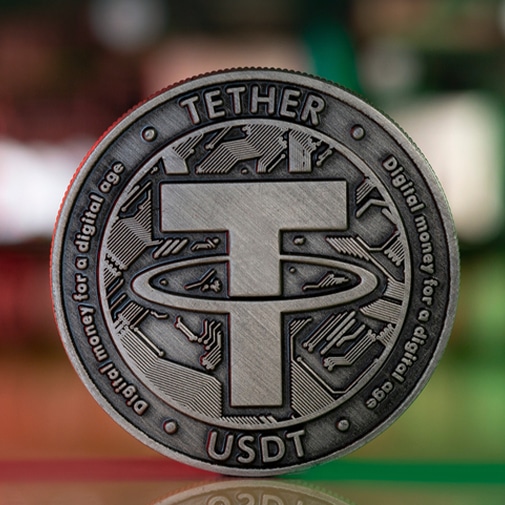
Comparing Ethereum and TRON token standards
Learn the differences between ERC20 and TRC20 to optimise your crypto transactions. Discover the best option and maximise your crypto experience today.
Comparing USDT networks: ERC20 vs TRC20
In the wild world of crypto, standardisation might seem like an odd concept. However, when it comes to creating and using tokens, rules are crucial. This is where token standards come into play.
KEY TAKEAWAYS:
- ERC20 USDT operates on the Ethereum blockchain, while TRC20 USDT is built on the TRON blockchain. This leads to differences in security, decentralisation, and infrastructure.
- ERC20 USDT benefits from Ethereum's robust and well-established ecosystem, providing high liquidity, security, transparency, and compatibility with Ethereum-based platforms.
- TRC20 USDT offers faster transaction speeds, lower transaction fees, and enhanced scalability due to TRON's blockchain design focused on high-performance and high-volume use cases.
Think of tokens as a blueprint that defines digital assets. It outlines the functions and codes needed in a particular network. Two of the most prominent token standards are ERC20 and TRC20. While they share some similarities, they operate on different USDT networks. USDT ERC20 operates on the Ethereum network while USDT TRC20 is on the TRON blockchain.
With this ERC20 vs TRC20 guide, learn about the advantages of both token standards and the differences between ERC20 and TRC20:
Test your luck with crypto live dealer games at Gamdom
USDT on the Ethereum Blockchain (ERC20)
The ERC20 token standard was introduced in 2015 by Fabian Vogelsteller. Since then, it has become the most widely adopted standard for creating and issuing tokens on the Ethereum (ETH) blockchain. It defines a common list of rules that all Ethereum-based tokens must adhere to, ensuring interoperability between different tokens.
Tether (USDT) is one of the most popular ERC20 tokens that offers security, decentralisation, and accessibility. The Ethereum network provides a robust and well-established infrastructure for USDT. This allows for seamless integration with various Ethereum-based applications and services.
Some key benefits of USDT as an ERC20 token include:
- Liquidity and integration: ERC20 USDT can be easily integrated into a wide range of ETH-based platforms, wallets, and exchanges. This ensures high liquidity and accessibility for users.
- Security: The Ethereum blockchain is secured by a decentralised network of nodes, making it resistant to tampering. ERC20 USDT benefits from this robust security model.
- Transparency: Transactions and balances of ERC20 USDT are recorded on Ethereum’s blockchain. This provides users transparency and auditability.
- Compatibility: ERC20 USDT is compatible with a vast ecosystem of ETH-based tools, wallets, and decentralised applications, allowing seamless integration and interoperability.
USDT on the TRON blockchain (TRC20)
The TRON blockchain is a decentralised and high-performance public blockchain launched in 2018. The TRC20 token standard is TRON's equivalent to Ethereum's ERC20 standard. It allows the creation and issuance of tokens on the TRON network.
Tether (USDT) is also available as a TRC20 token, which means that USDT can be issued and transacted on the TRON blockchain. As a TRC20 token, USDT inherits the characteristics and benefits of the TRON blockchain.
Some key benefits of USDT as a TRC20 token include:
- High transaction speeds: The TRON blockchain is known for its fast transaction with an average block time of around 3 seconds. This allows for quick USDT transactions on the TRC20 network.
- Low Transaction Fees: TRON transactions, including USDT TRC20 transfers, typically have low fees, making them cost-effective for users.
- Scalability: The TRON network is designed to be highly scalable, with the ability to handle a large number of transactions per second. This makes it suitable for high-volume USDT usage.
- Interoperability: TRC20 standard allows USDT to be integrated with various TRON-based decentralised applications and services, enhancing the utility and use cases of USDT in the TRON ecosystem.

TRC20 vs ERC20: What is the difference between both USDT networks?
The main differences between USDT ERC20 vs TRC20 lie in the different aspects. This includes its underlying blockchain technology, transaction speed, and transaction costs.
Blockchain
- ERC20 USDT: It is built on the Ethereum blockchain, one of the most established and widely used blockchains in the crypto world. Ethereum is known for its decentralisation and security but also experiences periods of congestion that can slow down transactions and increase fees.
- TRC20 USDT: It runs on the TRON blockchain, a newer platform known for its scalability focus. Due to its shorter track record compared to Ethereum and a smaller network of validators, some users may have security concerns.
Transaction speeds
- ERC20 USDT: Transactions on the Ethereum network can take longer to confirm, with average block times of around 13 seconds. During peak usage times, these confirmation times can increase significantly.
- TRC20 USDT: Transactions on the TRON, in comparison, are processed much faster, with average block times of around 3 seconds. This makes TRC20 USDT a better option if you prioritise quick transfers of your Tether tokens.
Transaction costs
- ERC20 USDT: Ethereum transaction fees can be relatively high, especially during periods of network congestion. These fees are paid to miners who validate transactions on the Ethereum network. High fees can make small USDT transfers cost-prohibitive.
- TRC20 USDT: TRON transaction fees, on the other hand, are typically much lower than Ethereum fees. This is because the TRON network is designed to be more scalable and handle a higher volume of transactions. Lower fees make TRC20 USDT more cost-effective for frequent transfers or smaller transactions.
ERC20 or TRC20?
Choosing between ERC20 and TRC20 boils down to your priorities. ERC20 offers the security and established ecosystem of the Ethereum blockchain, ideal for those valuing stability. However, transaction speeds and fees can be higher.
TRC20, on the other hand, shines with its blazing-fast transactions and minimal fees. This makes it the cost-effective option for frequent transfers. While security is solid, the TRON network is younger than Ethereum.
Ultimately, weigh your needs for speed, cost, and security to pick the right network for your USDT transactions.You can always hold USDT on both ERC20 and TRC20 networks for maximum flexibility.